

What Is a Feature and Why the Definition Shapes Every Product Decision You Make
A feature is a distinct unit of functionality that delivers specific value to a user. That sounds simple. It is not. The word "feature" causes more miscommunication between product teams, engineers. and customers than almost any other term in software. One person says "feature" and means a button. Another means a six-month initiative. A third means a setting buried in preferences.
The confusion matters because features are the currency of product work. Teams prioritize them, customers request them. roadmaps organize around them. When everyone defines the word differently, prioritization breaks down. Requests get misunderstood. Shipped work disappoints stakeholders who expected something else entirely.
Why the Definition of a Feature Matters More Than You Think
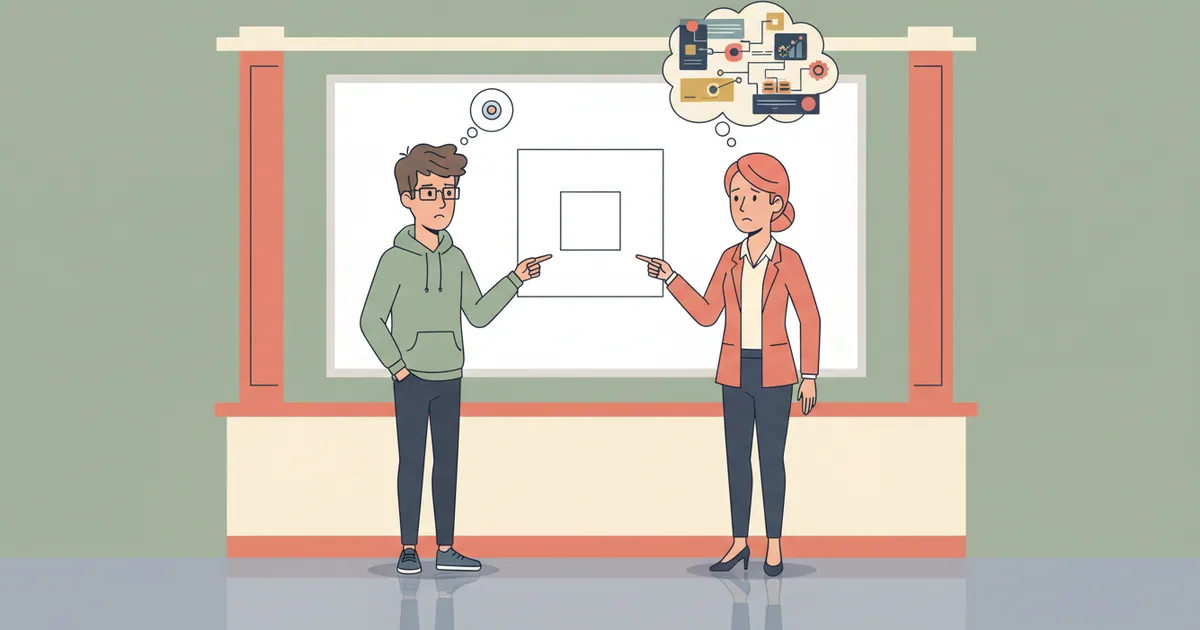
Product teams lose weeks every quarter to scope creep that starts with one word: feature. A customer asks for "a reporting feature." Engineering estimates three days. Six weeks later the team is still building because nobody clarified whether "reporting" meant a single export button or a full analytics dashboard with custom date ranges, filters. and scheduled emails.
The problem compounds in client-facing work. Agencies promise features in contracts. Customers vote for features in feedback portals. Support tickets reference features by name. If the internal definition does not match the external expectation, you ship work that technically fulfills the request but leaves the customer frustrated.
Clear feature definitions force specificity. They turn vague asks into scoped units of work. They give product managers a shared language with engineering, design. sales. and customers.
The linear app approach to issue tracking treats features as discrete scoped items precisely because ambiguity creates drag. When a feature request arrives, the first question is always: what exactly does this mean as a deliverable? The answer determines whether the work takes a day or a quarter.
Teams that skip this step pay for it in rework. A 2022 analysis by the Standish Group found that unclear requirements remain the top cause of project failure, ahead of budget and timeline issues. Features are requirements in disguise. Define them poorly and the project fails before it starts.
How Feature Definition Works in Practice
In daily product work, a feature is a unit of functionality that can be shipped independently and creates measurable user value. That framing excludes infrastructure work, bug fixes. and refactors. Those matter, but they are not features. Features are what users see and interact with.
The practical test: can you describe this to a customer in one sentence and have them understand what changed for them? If yes, it is a feature. If the description requires technical context or sounds like internal housekeeping, it is not.
Scoping a feature means drawing a boundary. The boundary answers three questions. What does this do? What does this not do? How will we know it works? Teams that answer these questions before building avoid the scope creep that turns small requests into multi-sprint marathons.
Consider a request like "add notifications." That is not a feature. It is a category. A feature would be "send email when a voted request ships" or "show in-app badge when new feedback arrives." Each can be built, tested. and shipped independently. Each creates a specific user outcome.
The linear issue tracking model handles this by requiring issues to have clear acceptance criteria. A feature without acceptance criteria is a conversation, not a work item. Converting conversations into work items is half of what product management actually is.
Teams using feedback portals face this constantly. Customers submit requests in their own language. "Better search" might mean faster results, more filters. fuzzy matching. or saved searches. The product team's job is to decompose that into discrete features, validate which ones matter. and prioritize accordingly.
Tradeoffs to Understand Before You Scope a Feature
Every feature carries hidden costs. The obvious cost is build time. The hidden costs are maintenance, documentation. support load. and cognitive complexity for users.
A feature that takes two weeks to build might take two hours per month to maintain. Over three years, the maintenance cost exceeds the build cost. Teams that prioritize features without accounting for ongoing cost end up with bloated products they cannot sustain.
The second tradeoff is surface area. Every feature you add is a feature users must learn. Products with hundreds of features are not powerful. They are confusing. Users cannot find what they need. New users bounce because the learning curve is too steep.
The third tradeoff is opportunity cost. Building feature A means not building feature B. The question is never "is this feature good?" The question is "is this feature better than everything else we could build instead?"
| Tradeoff | What teams underestimate | How to account for it |
|---|---|---|
| Maintenance | Bug fixes, edge cases, dependency updates | Add 20% to lifetime cost estimate |
| Complexity | User confusion, support tickets, documentation debt | Require user testing before launch |
| Opportunity cost | Features not built, speed not gained | Compare against top 3 alternatives |
The canvas client portal comparison shows how feature count alone misleads. A portal with 50 features sounds better than one with 15 until you realize most users need only 5 features and the extra 45 create noise.
Where Feature Definition Usually Goes Wrong
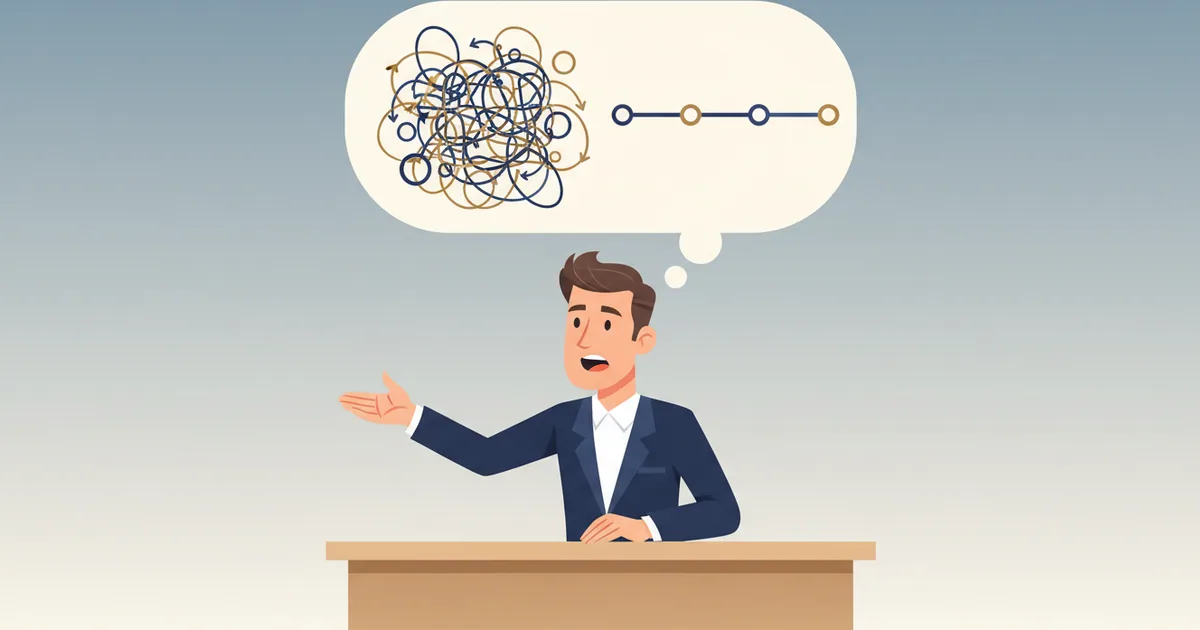
The first failure mode is conflating features with solutions. A customer says "I need a Gantt chart." That is a solution. The feature they actually need might be "see task dependencies visually" or "understand project timeline at a glance." Building the stated solution without understanding the underlying need produces features that technically work but do not satisfy.
The second failure is scoping by committee. Product managers, engineers. designers. and stakeholders all add requirements until a simple feature becomes a complex system. The original request was a door. The shipped feature is an entire house. Nobody wanted a house.
The third failure is treating all features as equal. A login screen is a feature. So is a recommendation engine. They are not the same complexity, value. or risk. Teams that estimate and prioritize without differentiating feature types consistently miss deadlines and ship the wrong things.
The fourth failure is skipping validation. Teams build features because customers asked for them without checking whether those customers represent the broader user base. One vocal customer can drive months of work that benefits almost nobody.
The linear dashboard approach addresses this by surfacing request volume and voting data. When you can see that 200 users voted for feature A and 3 users requested feature B, prioritization becomes clearer. Without that data, the loudest voice wins regardless of actual demand.
The fifth failure is feature creep through "small" additions. Each individual addition seems minor. Collectively they transform the original feature into something unrecognizable. The linear tool philosophy treats scope as a constraint, not a suggestion. Once a feature is defined, changes require explicit renegotiation.
Frequently Asked Questions
What is the difference between a feature and a product?
A product is a complete solution that delivers value independently. A feature is a component within that solution. Gmail is a product. Scheduling emails is a feature. The distinction matters for prioritization because products require full experiences while features can ship incrementally.
How do you know if a feature is too big?
If you cannot describe the feature in one sentence that a customer would understand, it is too big. If the feature requires multiple teams or more than one sprint to ship, consider breaking it into smaller features that deliver value independently.
Should every customer request become a feature?
No. Most customer requests describe problems, not solutions. The product team's job is to identify patterns across requests, understand the underlying needs. and design features that address those needs for the broader user base. One customer's request might inform a feature. It should not dictate one.
How do you prioritize features when everything seems important?
Compare features against a single metric that matters most to the business right now. If retention is the priority, rank features by expected impact on retention. If acquisition is the priority, rank by expected impact on new user activation. A single ranking criterion beats subjective importance debates.
What makes a feature request different from a bug report?
A bug report describes existing functionality that does not work as intended. A feature request describes new functionality or changes to intended behavior. The distinction matters because bugs are defects in commitments already made while features are new commitments to evaluate.