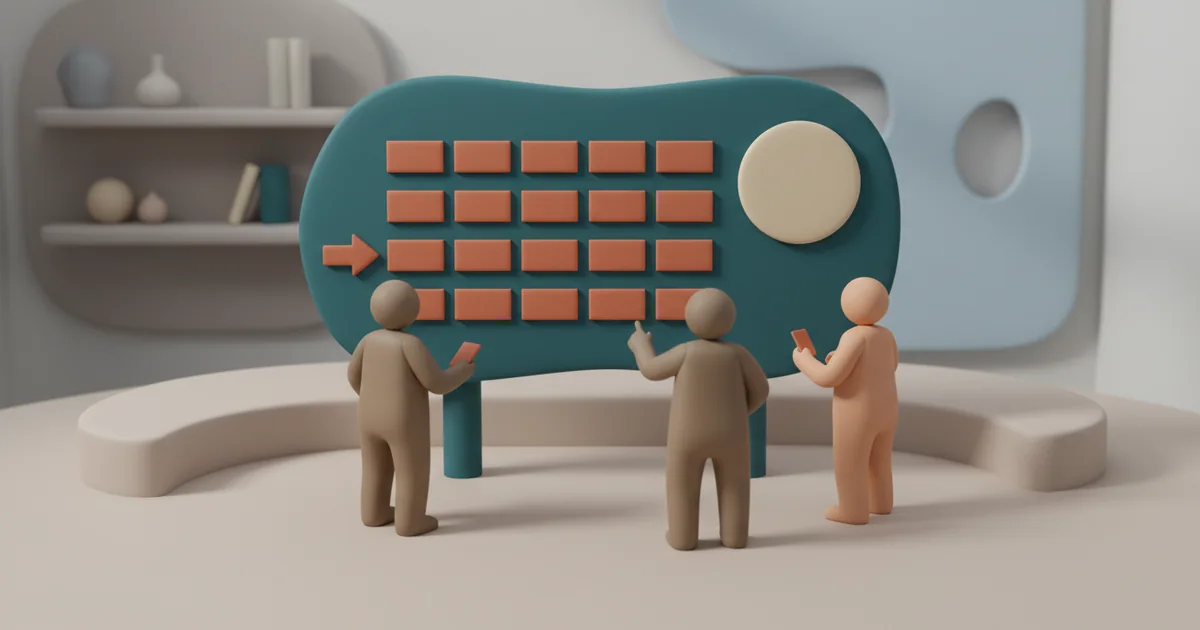

Project Roadmap Examples: The Complete Guide for 2026
Key takeaway: A project roadmap shows what you're building, when you expect to ship it, and how it connects to broader goals. The right format depends on your audience: internal stakeholders, customers, or investors.
A project roadmap is a visual plan that communicates the direction of a product or initiative over time. It answers three questions: what are we building, why does it matter. and when will it happen. This guide focuses on roadmaps that product teams actually use, with concrete examples you can adapt.
| Roadmap Type | Primary Audience | Time Horizon | Level of Detail |
|---|---|---|---|
| Internal Sprint Roadmap | Engineering team | 2-4 weeks | High (tickets, owners) |
| Quarterly Product Roadmap | Stakeholders, execs | 3 months | Medium (themes, milestones) |
| Public Product Roadmap | Customers, prospects | 6-12 months | Low (features, statuses) |
| Portfolio Roadmap | Leadership, board | 12-24 months | Strategic (initiatives, bets) |
| Release Roadmap | Marketing, sales | Per release | Medium (features, dates) |
Evidence block: A 2024 ProductPlan survey found that 72% of product teams maintain at least two roadmap formats: one for internal alignment and one for external communication. Teams using dedicated roadmap software reported 40% fewer status update meetings per quarter.
What Is a Project Roadmap and Why Does Format Matter
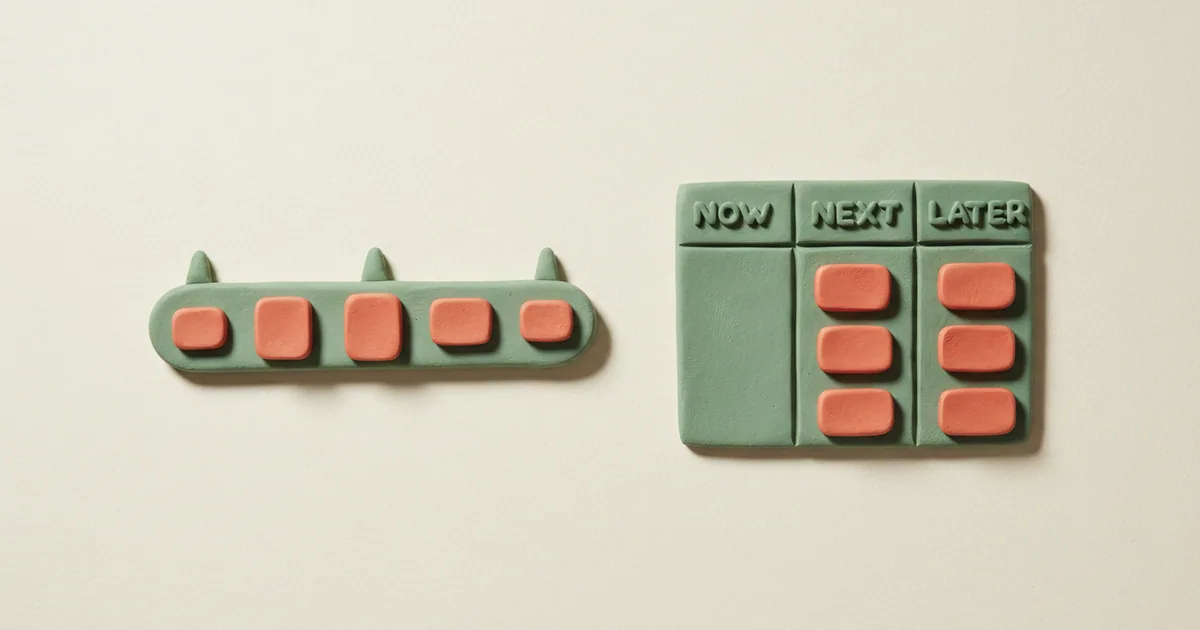
A project roadmap is not a Gantt chart. It is not a backlog. It communicates intent and priority. The format you choose shapes how people interpret that intent.
Consider the difference between a timeline-based roadmap and a now-next-later roadmap. The timeline version implies commitment. When you put "Q2 2026" next to a feature, stakeholders remember that date. Sales teams promise it to prospects. Support teams tell customers to wait for it. If you slip, trust erodes.
The now-next-later format communicates priority without promising dates. "Now" means actively in development. "Next" means planned for the near term. "Later" means on the radar but not committed. Startups use it. Teams with unpredictable dependencies use it. Anyone burned by missed deadlines uses it.
Internal roadmaps serve different purposes than external ones. Your engineering team needs to see dependencies, owners. and blockers. Your customers need to see what is coming and what shipped. Mixing these audiences in one document creates problems.
The best teams maintain separate artifacts. A product manager might work from a detailed internal roadmap in Linear, then publish a simplified version to a public portal. The internal version tracks every ticket. The public version shows themes and statuses. Changes in the internal system automatically update the public view.
Format also affects how you gather input. A static PDF roadmap is a one-way broadcast. A public roadmap with voting lets customers influence priority. Teams that collect feedback directly into their roadmap tool spend less time triaging requests from Slack, email. and support tickets.
Project Roadmap Examples: Best Practices That Actually Work
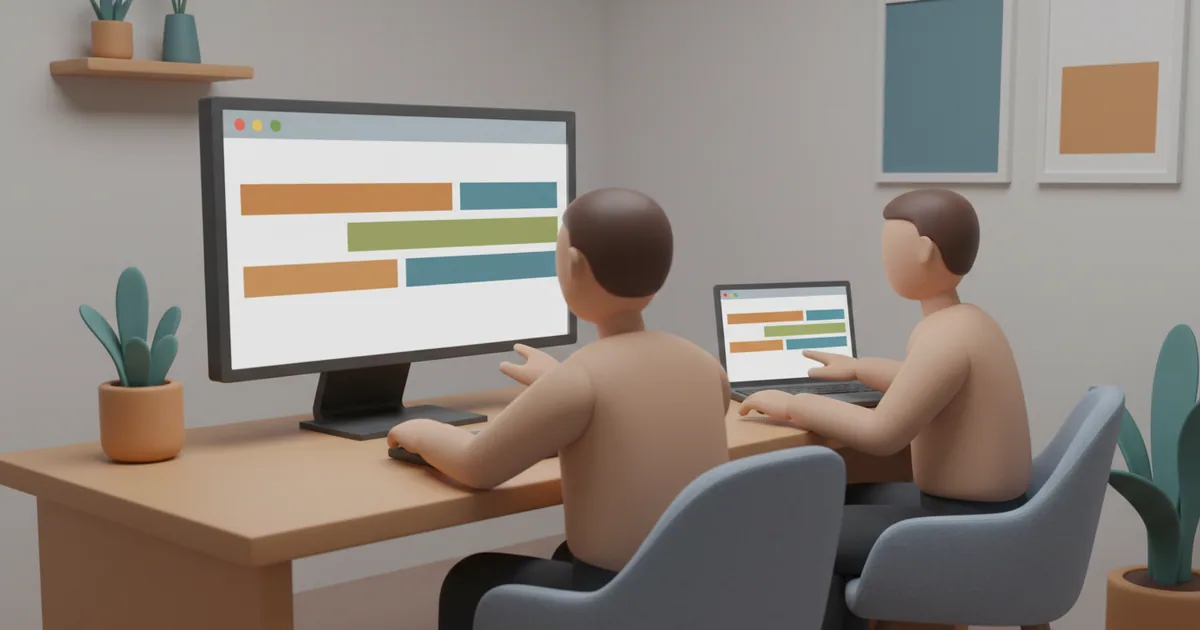
The best roadmaps share five characteristics: scannable, connected to real work. updated regularly. appropriate for their audience. and honest about uncertainty.
Scannability matters because nobody reads a roadmap word by word. Stakeholders skim. Use visual hierarchy. Group items by theme or status. Color-code by priority or team.
Connection to real work prevents roadmaps from becoming fiction. A roadmap in a slide deck, disconnected from your issue tracker. drifts from reality within weeks. Teams using tools with two-way sync between their roadmap and issue tracker avoid this. When an engineer closes a ticket, the roadmap updates automatically.
Update frequency depends on your audience. Internal roadmaps might update daily. Public roadmaps update when something meaningful changes. A roadmap that never changes signals the team is not shipping. A roadmap that changes constantly signals chaos.
Audience appropriateness means tailoring detail and language. A board presentation fits on one slide. A team-level roadmap might span multiple pages with dependencies mapped. A customer-facing roadmap uses plain language and avoids internal codenames.
Honesty about uncertainty builds trust. Mark items as "exploring" when appropriate. Do not put dates on things you cannot confidently predict.
Three concrete examples:
Example 1: Now-Next-Later for a B2B SaaS Startup Three columns. "Now" contains "API v2 migration" and "Slack integration improvements." "Next" contains "Custom reporting dashboard," "SSO for enterprise plans." and "Mobile app v1." "Later" contains four items without dates. Each item has a vote count showing customer interest.
Example 2: Quarterly Theme Roadmap for a Growth-Stage Company Four rows representing Q1 through Q4. Each quarter has a theme: "Foundation," "Scale." "Expansion." "Optimization." Under each theme, three to five initiatives. No specific dates within quarters. Color coding shows which team owns each initiative.
Example 3: Public Roadmap with Customer Voting A portal showing three status columns: "Under Review," "Planned." and "In Progress." A fourth section shows "Recently Shipped" with dates. Customers can submit new ideas, vote on existing ones. and follow specific items. When something ships, voters get notified automatically.
Founder's Opinion: Timeline Roadmaps Are Usually a Mistake
Most teams should avoid timeline-based roadmaps for external communication. The costs outweigh the benefits.
Timeline roadmaps create false precision. Software development is unpredictable. A feature you estimate at two weeks might take six. A dependency might slip. An urgent customer issue might pull the team away. When you publish a date and miss it, you damage credibility.
Sales teams love timeline roadmaps because they close deals. "This feature ships in Q2" becomes a selling point. But when Q2 arrives and the feature is not ready, the customer relationship suffers. Support teams field angry tickets. Account managers make awkward apology calls. The short-term sales benefit creates long-term trust debt.
Now-next-later roadmaps communicate the same information without the commitment. Customers understand the sequence. They know their requested feature is on the radar. They just do not have a date to anchor expectations around.
The exception is enterprise sales with contractual commitments. If a customer is paying significant money contingent on a specific feature by a specific date, you need a timeline. But that timeline should live in the contract, not on a public roadmap.
For most teams, especially startups and growth-stage companies. the now-next-later format is strictly better. It provides transparency without creating hostages to fortune. It lets you shift priorities when the market changes without breaking promises.
Build your internal planning around realistic timelines. Use sprints and milestones to coordinate the team. But translate that into a priority-based format before showing it to customers.
Frequently Asked Questions
What should a project roadmap include at minimum?
Three elements: what you are building, why it matters. and a sense of sequence. The "what" should be specific enough that stakeholders understand the scope. The "why" connects each item to a goal or customer need. The sequence can be dates, quarters. or priority buckets like now-next-later. Without all three, you have a feature list. not a roadmap.
How often should I update a public product roadmap?
Update when something meaningful changes. Move an item from "planned" to "in progress" when work starts. Move it to "shipped" when it launches. Most teams update weekly or biweekly. Avoid daily updates that create noise. Avoid monthly updates that make the roadmap feel stale.
What is the difference between a product roadmap and a project roadmap?
A product roadmap shows the evolution of a product over time. It is ongoing and typically covers months or years. A project roadmap shows the plan for a specific initiative with a defined end state. Product roadmaps focus on outcomes and customer value. Project roadmaps focus on milestones and deliverables. Many teams maintain both.
How do I handle customer requests that will not make the roadmap?
Be direct. If something is not a priority, say so. Acknowledge the request, explain why it is not on the near-term roadmap. and offer to notify the customer if that changes. Teams using feedback tools with voting can point to the vote count: "This has 12 votes. Items with 50+ votes get prioritized for review."
Should engineering teams have access to the customer-facing roadmap?
Yes. Engineers should see what customers see. It prevents surprises when a customer asks about a feature the engineer did not know was public. Some teams give engineers read access to the public roadmap and write access to the internal roadmap. The internal system syncs approved items to the public view.