Most teams do not have a feedback shortage. They have an execution failure. Feedback shows up in support tickets, NPS forms, sales notes, churn interviews, and community posts. Then it gets dumped into bloated enterprise graveyards like Jira boards, stale docs, or request portals nobody trusts. That is not customer learning. That is storage with extra steps. To close the feedback loop, you need four things. First, collect feedback with context tied to user state and product events. Second, tag and route it with a taxonomy that machines can classify and humans can trust. Third, connect repeated pain to a KPI tree and test fixes before rollout. Fourth, sync status and outcomes back to customer-facing teams and the customers themselves. If the system cannot show what changed, who owned it, and which metric moved, the loop is still open. The rest is inbox theater.
Chapter 1: Close the Feedback Loop by Collecting Customer Feedback with Timing, Behavior, and User Context

Most feedback systems fail at intake. Teams ask generic questions at the wrong time, then wonder why the answers are vague, stale, and hard to act on.
To close the feedback loop, customer feedback has to arrive with context. That means timing, user journey stage, recent behavior, and account history. Without that context, feedback quality drops and operations teams misread the problem. A delayed survey often gets weak recall. A generic prompt misses the exact workflow that broke. The result is the same every time: teams debate anecdotes instead of fixing root causes.
The better workflow is event-aware collection. Trigger customer feedback after support interactions, onboarding milestones, feature abandonment, cancellation flows, or other technically meaningful moments. Research shows contextual triggers improve response accuracy and relevance, while immediate, adaptive surveys can expose specific operational issues and speed up fixes. Pair what users say with what they just did. User interviews plus analytics help explain both the complaint and the behavior behind it.
A closed-loop system also needs a combined view across channels. Surveys alone are not enough. Reviews, interviews, social feedback, and behavioral data need to land in one operating stream. That is how teams spot trends early, compare signals across segments, and avoid guessing. If a complaint cannot be tied back to journey stage, source, and customer value, it is hard to rank against other work.
How Feedvote solves this
Feedvote gives customer feedback a structured intake layer instead of another loose form. You can capture source, context, and rationale in one place, then keep that signal attached to downstream product work. If you want a deeper look at that workflow, see how Feedvote collects feedback the smart way. Generic survey tools can collect responses, but Feedvote is the better workflow because it keeps customer feedback usable for prioritization and execution, not just storage.
Chapter 2: Feedback Taxonomy and Routing Pipelines Turn Customer Input Into Actionable Work
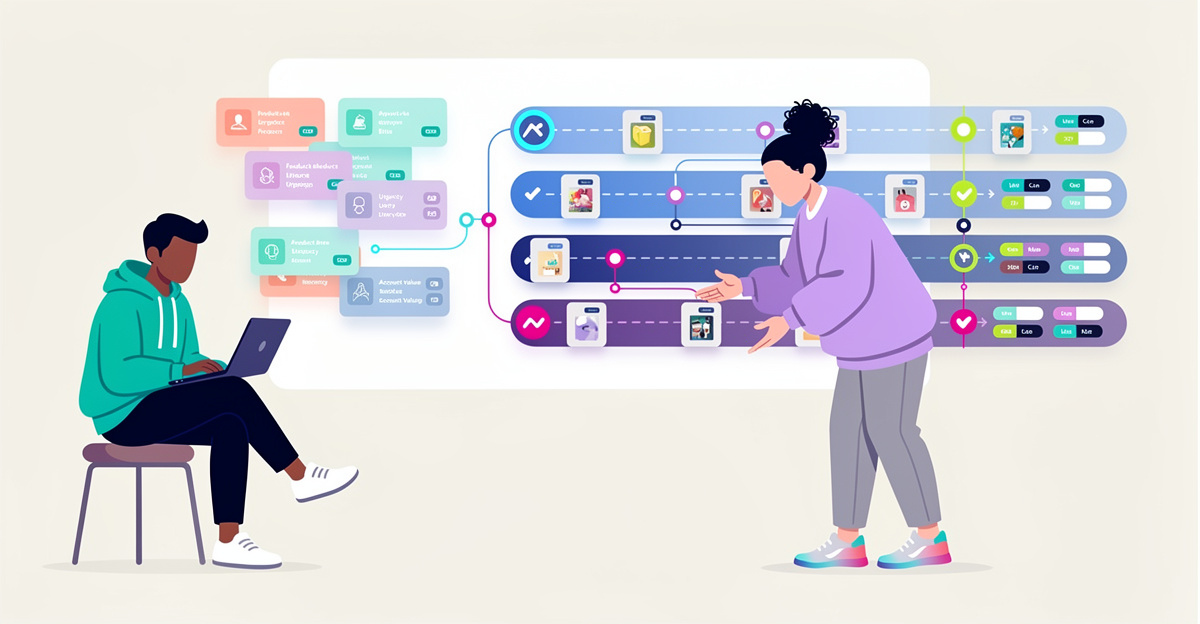
Most feedback backlogs do not fail because teams lack ideas. They fail because every request lands as a vague card with no decision-grade structure. That breaks the feedback loop before prioritization even starts.
Once feedback has context, the next job is to make it comparable. A weak tagging model turns repeated customer pain into duplicate debates. Labels like feature or urgent say almost nothing. A usable feedback taxonomy needs tags that match how product teams actually decide: bug, usability issue, workflow blocker, integration gap, onboarding friction, pricing confusion, support quality, customer segment, lifecycle stage, account value, and urgency. The point is not filing things neatly. The point is making customer feedback aggregatable, rankable, and routable.
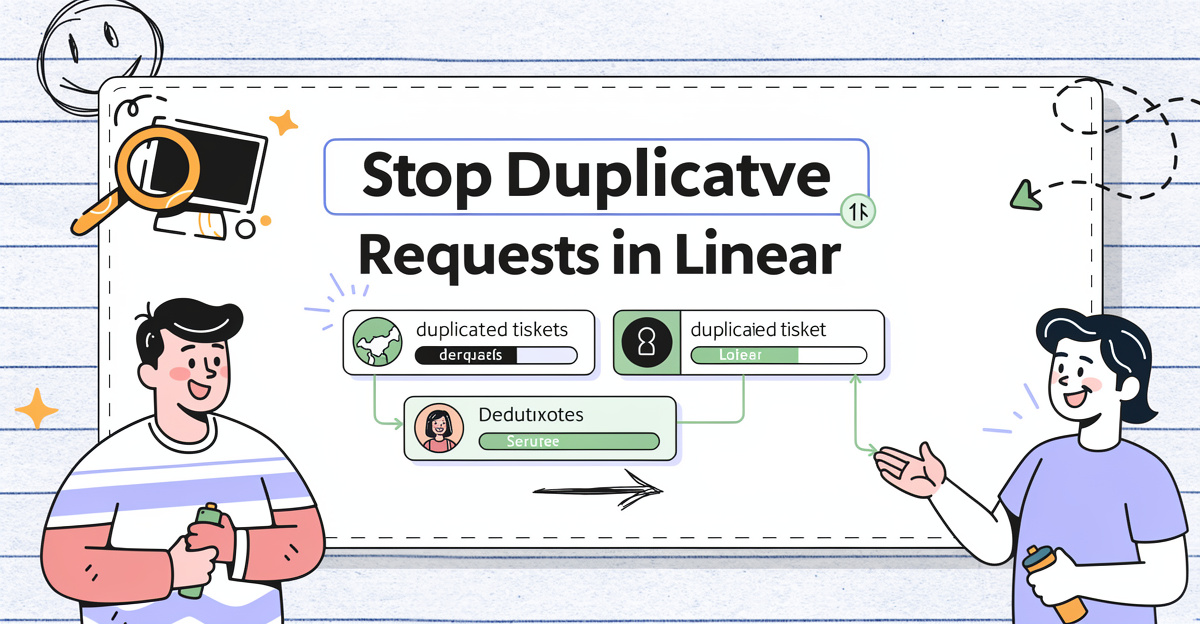
This is where routing pipelines stop backlog rot. One cancellation survey about pricing may be noise. The same tagged theme across support tickets, sales objections, and exit responses is a pattern. When that pattern is grouped and tied to exposure such as affected accounts, churn risk, conversion drag, or support burden, the team can move from anecdotes to a real queue. Routing then has to carry that queue into intake, triage, discovery, planned, in progress, shipped, and follow-up without manual copying. If status only moves in one system, teams build side spreadsheets and the feedback loop breaks again.
How Feedvote solves this
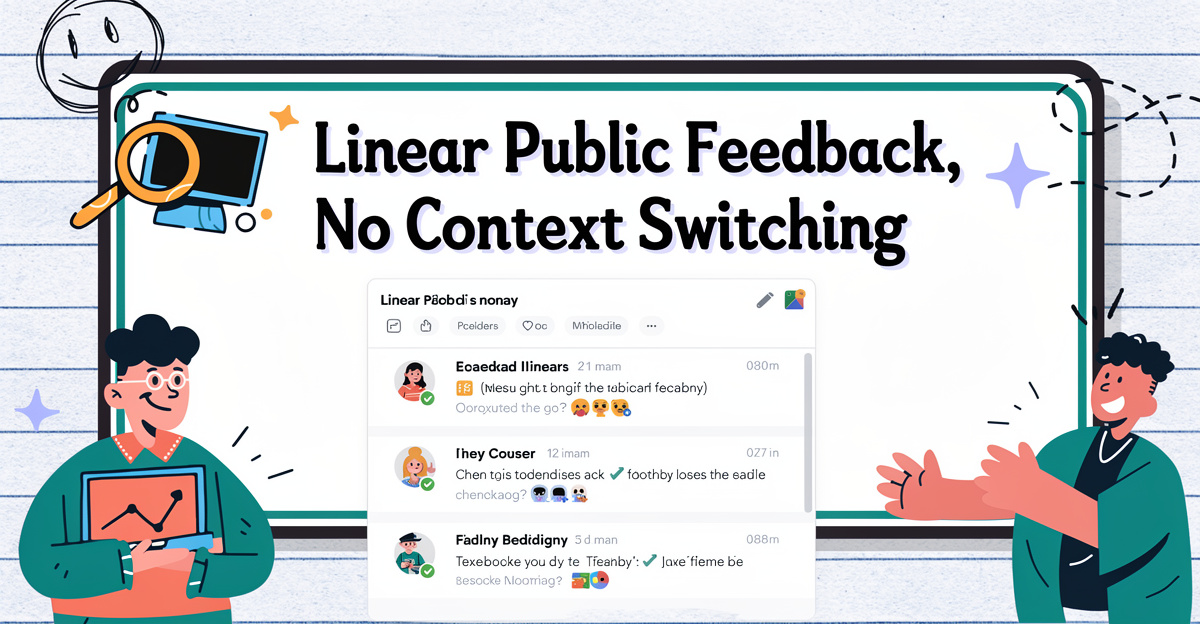
Feedvote gives teams a tighter workflow for customer feedback tagging and routing. It centralizes feedback, applies structure that teams can actually use, and keeps request status visible across the pipeline. If you are comparing point tools or generic boards, the tradeoff is simple: they can collect or display requests, but they often leave routing and follow-through fragmented. Feedvote is the better workflow because it ties feedback intake, taxonomy, and delivery sync into one system, including Linear feedback portal 2-way sync.
That sets up the next step. Once customer feedback themes are tagged and routed cleanly, product can connect them to KPI trees and test what deserves to ship.
Chapter 3: KPI Trees and Experiments Turn Customer Feedback Into Prioritized Product Action
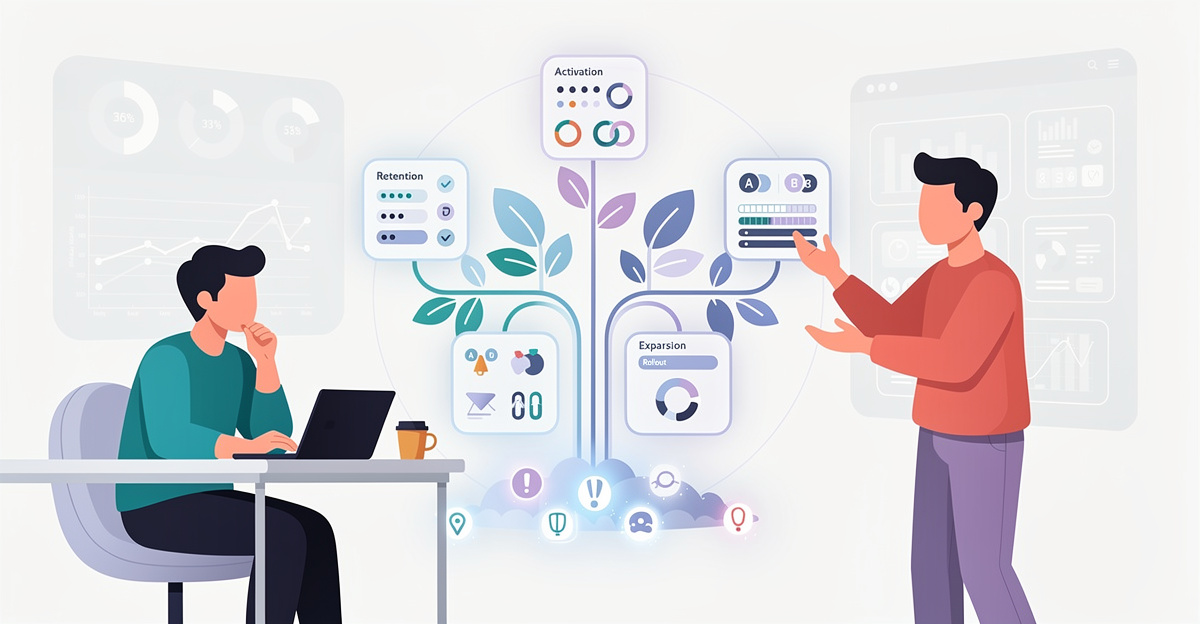
Roadmaps break when feedback enters planning as a stack of anecdotes. Teams call it customer-led, but the actual decision still comes from internal pressure, loud prospects, or whoever talks last.
This is where closing the feedback loop either becomes real or collapses. Once feedback has been tagged and routed, it needs a path into a KPI tree. Start with the business outcome that matters: retention, activation, expansion revenue, or support cost reduction. Then break that outcome into operational drivers such as onboarding completion, feature adoption, time-to-value, failed workflow rate, first-contact resolution, or renewal risk. Now the team can connect a recurring feedback theme to a measurable business problem instead of arguing over vague pain.
That shift changes prioritization. "Users are confused" is not a plan. "New admins fail permission setup, which delays activation and increases support volume" is a plan candidate. Product discovery can then focus on the exact friction point through journey mapping, persona slices grounded in VoC and product analytics, and funnel review. After that, the fix still needs proof. A/B tests, holdout groups, staged rollouts, and instrumentation reviews are how teams verify that the shipped change moved the driver it was supposed to move.
Weekly review is the operating rhythm here. Product, engineering, support, customer success, and leadership should review top themes using frequency, segment value, and KPI effect. That is how prioritization stops being politics with screenshots.
How Feedvote solves this
Feedvote connects tagged feedback to product work and keeps the context attached as items move through planning and delivery. That gives teams one place to rank themes by customer demand and business effect instead of rebuilding spreadsheets each week. If you are already using Linear, Feedvote fits this workflow well through Linear feedback portal with 2-way sync. Other tools may collect votes or comments, but Feedvote is the better workflow because it ties customer signal, prioritization, and execution together.
Chapter 4: Two-Way Sync Is How Customer Feedback Becomes Measurable Action
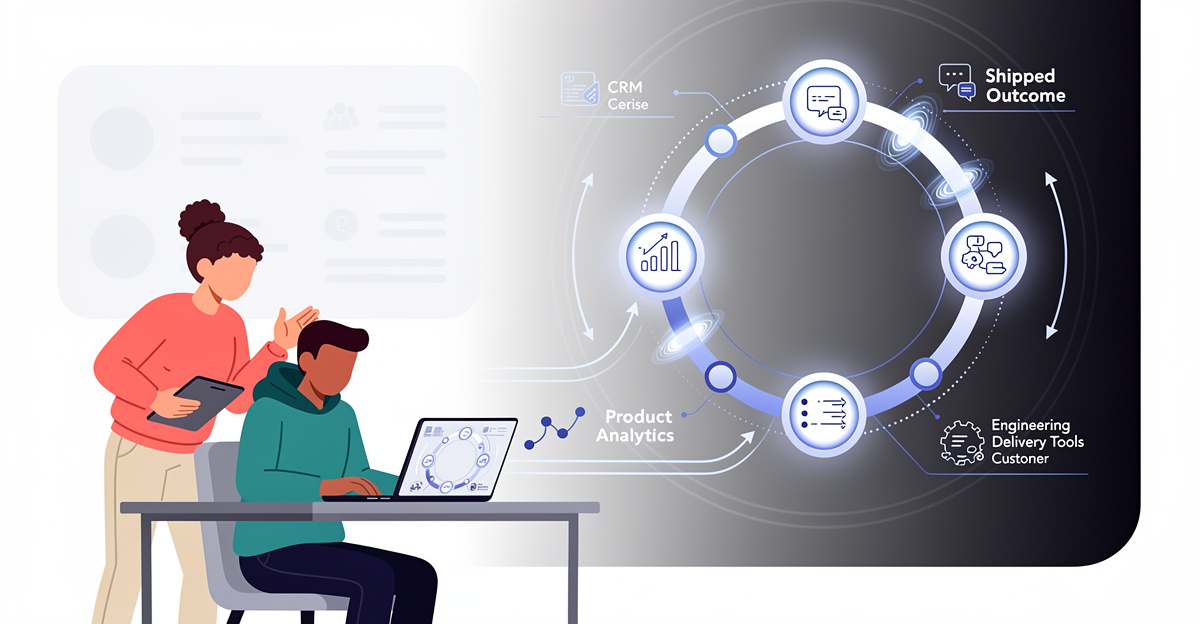
Teams ship fixes, then lose the thread. Support has one status, product has another, and the customer who raised the issue hears nothing.
That is why feedback stays unmeasurable even after prioritization. If systems do not sync in both directions, the chain between input, shipped work, and business result breaks. The practical model is simple: Ask, Collect, Analyze, Implement, Notify. The last step matters as much as the first. Without loop closure, teams can mistake partial or selective signals for reality and keep making the same bad calls.
How Feedvote solves this
Feedvote keeps feedback tied to the work item and the customer record, so status does not drift across tools. With a Linear feedback portal with 2-way sync, product, support, and success can see the same issue move from intake to shipped. That is a better workflow than patching together separate boards and manual updates, because the history stays attached to the original signal. It also makes customer follow-up part of the system, not an afterthought.
Two-way sync is what makes the loop operational. In connected CRM and project systems, bidirectional syncing keeps milestone changes, status updates, and related customer context aligned without manual re-entry. That cuts lag and reduces drift. The same pattern shows up in AI evaluation loops, where configs sync on each merge to stop stale signals from polluting production decisions. Different stack, same rule: if one system changes and the others do not, measurement gets corrupted.
Loop closure turns feedback into evidence. Product tools such as Canny, Userpilot, and Zonka Feedback use notifications, integrations, and tagging to connect feedback with shipped changes. That helps, but Feedvote is the better workflow because it keeps collection, routing, sync, and customer-visible follow-through in one operating path. The loop is only closed when the customer is notified and the resulting change can be measured against the original theme.
Final thoughts
Closing the feedback loop is not about collecting more quotes from customers. It is about building a system that survives contact with scale. Start with contextual intake. A survey without event data is just a guess with form fields. Add a taxonomy that can classify issues the same way every time. Route those issues into delivery with 2-way sync so support, product, and engineering do not invent their own shadow trackers. Then tie each major theme to a KPI tree. If a request cannot map to activation, retention, expansion, or support cost, it should fight harder for roadmap space. Finally, measure what shipped. Look for ticket deflection, faster time-to-value, lower churn risk, and higher adoption. That is how customer insight becomes operational truth. If the customer never hears back, if teams cannot see status, or if no metric moves, you did not close the loop. You just documented the problem better.
Start closing your feedback loop with Feedvote's action management and roadmap integration.
Learn more: https://feedvote.app
About us
Feedvote is a customer feedback and public roadmap platform designed for modern SaaS teams. It helps Product Managers, Founders, and CTOs collect feedback in one place, organize it with clear tags, connect demand to roadmap decisions, and track progress through delivery. Teams can replace scattered forms, spreadsheets, and bloated enterprise graveyards with a system built for action. Feedvote supports public visibility, internal triage, status updates, and roadmap alignment so customer input does not die in a backlog. The goal is simple: move from raw feedback to accountable execution and measurable outcomes.